
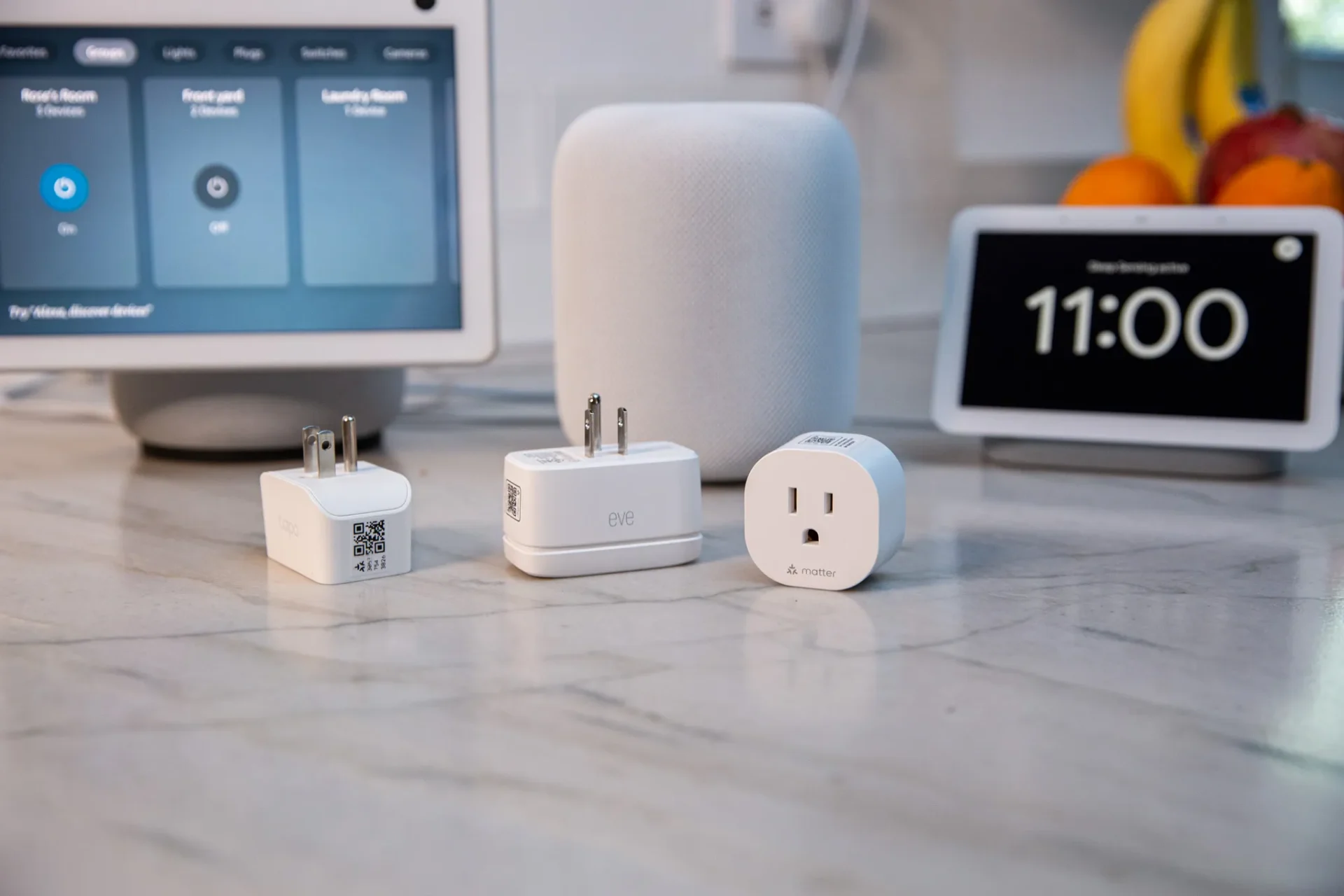
We wake up to smart alarms, unlock our doors with fingerprints, speak to digital assistants, and wear devices that track our every heartbeat. From smart refrigerators that tell you what groceries to buy to AI-powered home cameras that monitor your living room, we are surrounded by devices that promise convenience, efficiency, and productivity.
But in a world where smart devices are everywhere, a provocative question emerges:
Are these technologies actually making us smarter — or simply more dependent?
As innovation accelerates, the line between human intelligence and artificial assistance is becoming increasingly blurred. And the truth is far more complex than the marketing hype suggests.
Smart Devices: The Convenience Revolution
Smart devices have delivered one thing exceptionally well: convenience.
They:
- automate daily tasks
- provide real-time information
- monitor our health
- optimize energy use
- keep us connected
- enhance entertainment
- improve home security
From smartwatches to smart doorbells, these devices form a digital ecosystem that simplifies life. But convenience doesn’t automatically translate to intelligence.
In fact, convenience can often mask dependency.
The Illusion of Intelligence: Are We Outsourcing Our Brains?
Smart devices “think” for us — or at least, they simulate thinking.
We rely on:
- maps to navigate
- reminders to remember
- calculators to compute
- search engines to answer basic questions
- apps to organize tasks
- AI to write emails, generate ideas, or summarize content
This raises a critical concern:
When technology does the thinking, what happens to our own cognitive abilities?
Studies show that constant reliance on smartphones and digital tools can weaken:
- memory retention
- spatial awareness
- problem-solving skills
- focus and attention
- critical thinking
We’re becoming masters of outsourcing mental functions — but not necessarily improving them.
The Attention Crisis: Smart Devices Are Competing for Our Focus
Smart devices don’t just assist us. They also distract us.
Every notification, ping, vibration, and alert competes for attention.
The result? A fractured mind.
We are training our brains to:
- multitask constantly
- switch contexts rapidly
- live in mental overload
- struggle with deep focus
- crave constant stimulation
In theory, information has never been more accessible. In practice, deep understanding has never been harder.
Data Overload: Too Much Information, Not Enough Insight
Smart devices generate massive amounts of data about our habits, health, behavior, and environment.
But data isn’t wisdom.
Smart devices deliver:
- step counts
- sleep cycles
- calorie estimates
- screen-time stats
- security footage
- location history
- productivity metrics
The challenge isn’t collecting data — it’s interpreting it.
Without meaningful context, data can:
- overwhelm users
- cause anxiety
- be misinterpreted
- lead to unhealthy comparisons
- create dependence on metrics rather than intuition
Smart devices are great at capturing numbers, but turning numbers into insight still requires human judgment.
The Positive Side: How Smart Devices Can Make Us Smarter
Despite the concerns, smart devices have tremendous potential to improve human intelligence — if used correctly.
1. Enhanced Decision-Making
From financial apps that track spending to health wearables that identify patterns, smart devices help users make more informed decisions.
2. Cognitive Augmentation
Smart devices extend our abilities:
- GPS improves navigation
- calculators enhance math accuracy
- speech-to-text boosts productivity
- translation apps break language barriers
These tools don’t replace intelligence — they amplify it.
3. Personalized Learning
Smart devices deliver adaptive learning experiences through:
- educational apps
- AI-based tutors
- gamified skill-building
- language-learning assistants
This can accelerate learning and skill development.
4. Improved Health and Wellness Insights
Wearables can detect irregular heart rhythms, sleep issues, or early signs of health problems.
This is not just convenience — it’s empowerment.
5. Productivity Boost
Smart calendars, AI writing tools, task managers, and automation apps help streamline workflows and reduce cognitive load.
When used mindfully, smart devices can indeed make us more effective thinkers and decision-makers.
The Dark Side: Dependency, Privacy, and the Loss of Human Agency
But it’s impossible to ignore the risks.
1. Mental Dependency
If smart devices handle:
- memory
- reminders
- calculations
- navigation
- scheduling
- communication
…then we risk losing the very skills that define human intelligence.
2. Privacy Erosion
Smart devices constantly collect:
- voice recordings
- location data
- biometric information
- browsing habits
- home patterns
- personal preferences
This data is often shared with corporations — and sometimes misused.
3. Behavior Manipulation
Hidden algorithms shape what we:
- watch
- buy
- eat
- click
- believe
Smart devices don’t just respond to our behavior — they influence it.
4. Loss of Human Agency
When technology makes decisions for us, we risk surrendering autonomy.
Algorithms may prioritize convenience, but they don’t always prioritize what’s best for human growth, creativity, or independence.
The Future: Smart Devices Are Getting Smarter — But Can We Keep Up?
We’re entering a new era of smart technology:
- AI assistants that predict needs
- wearables that monitor mental health
- smart homes that adjust automatically
- smart cars that drive themselves
- neural interfaces that connect brain to machine
The next wave of devices won’t just respond to commands — they’ll anticipate them.
They’ll learn from behavior, adapt to emotion, and operate with increasing autonomy.
The question is no longer “Are smart devices getting smarter?”
It’s “Are humans keeping up?”
How to Use Smart Devices Without Losing Human Intelligence
The goal is balance — not rejection.
Here’s how to stay smart in the age of smart tech:
1. Use Devices as Tools, Not Crutches
Let technology amplify your intelligence — not replace it.
2. Practice Digital Minimalism
Turn off non-essential notifications.
Create tech-free spaces.
Limit multitasking.
3. Build Strong Cognitive Habits
Keep memory tasks alive.
Practice mental math.
Solve problems manually sometimes.
4. Understand Your Data
Interpret what your device tracks.
Use insights thoughtfully.
5. Protect Your Privacy
Review permissions.
Use secure networks.
Avoid unnecessary data sharing.
6. Stay in Control of Your Digital Behavior
Don’t let algorithms dictate your life.
Be intentional with your time online.
Final Thought: Smart Devices Should Elevate Us — Not Replace Us
Smart devices are here to stay. They’re powerful, convenient, and transformative. They can help us learn faster, work smarter, and live healthier.
But true intelligence doesn’t come from technology — it comes from understanding, curiosity, creativity, and critical thinking.
Smart devices can enhance these qualities — but only if we remain conscious, intentional, and in control.
Technology should make us smarter — but that depends on how we choose to use it.
