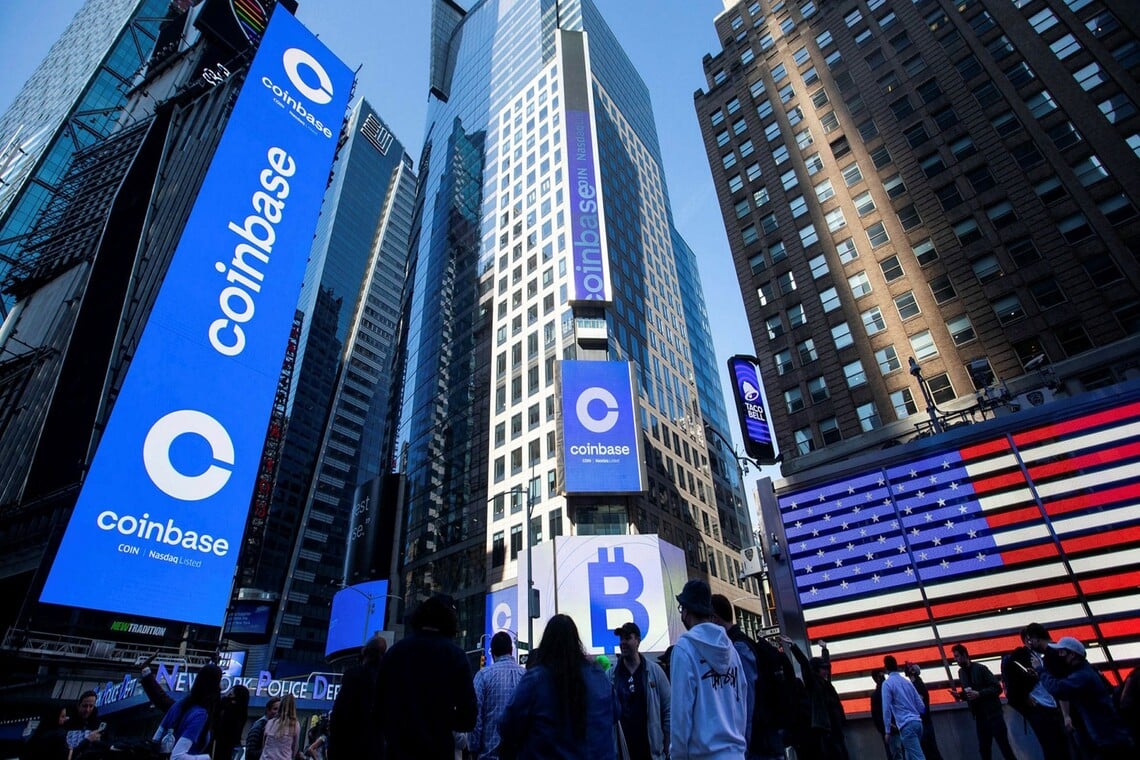
For years, blockchain was viewed as a niche technology — exciting, experimental, and mostly relevant to crypto startups. But behind the scenes, something far more significant has been happening: Fortune 500 companies have been integrating blockchain into their core operations quietly, strategically, and at a scale that signals a deep shift in global business.
While the public conversation focuses on Bitcoin price swings or meme tokens, boardroom strategies across top corporations tell a different story:
Blockchain is no longer a tech trend — it’s becoming corporate infrastructure.
This is the story of how the world’s largest companies are adopting blockchain without making a noise.
The Silent Adoption Strategy: Why Big Corporates Keep It Quiet
Fortune 500 companies have always been cautious adopters of new technology. They don’t chase hype; they follow strategic value, regulatory clarity, and long-term ROI.
So why are they integrating blockchain quietly?
1. Avoiding Crypto Controversy
Most corporations want the benefits of blockchain — traceability, security, automation — without getting dragged into crypto market debates.
2. Competitive Advantage
Publicizing a technological edge too early invites competitors to catch up.
3. Experimentation Phase
Many pilots are still under testing. Companies announce only when results are strong enough to scale.
4. Regulatory Uncertainty
Global rules around digital assets and tokenization are still evolving. Businesses prefer to stay low-profile until compliance frameworks stabilize.
The result? A massive adoption wave happening under the radar.
Where Fortune 500 Companies Are Integrating Blockchain
Let’s break down the real areas where blockchain has moved from experiment to implementation.
1. Supply Chain & Logistics — The Most Mature Use Case
This is the industry where blockchain has seen the fastest enterprise adoption.
Walmart
Uses blockchain to trace food sources, detect contamination quickly, and verify suppliers. What once took 7 days now takes 2 seconds through blockchain-based tracking.
Nike
Uses blockchain for product authentication through “CryptoKicks,” a system that ties physical sneakers to digital blockchain certificates.
Maersk
Developed TradeLens with IBM to streamline shipping documentation and reduce fraud — saving millions in paperwork costs.
Ford, BMW, and General Motors
Track ethically sourced minerals (like cobalt) using blockchain to ensure their supply chains meet sustainability standards.
Why this matters:
Blockchain isn’t just improving efficiency — it’s transforming global trust and transparency.
2. Finance & Banking — Tokenization Takes the Lead
Financial institutions are no longer debating whether to use blockchain. They’re already using it.
JPMorgan Chase
Runs JPM Coin, already settling billions in daily transactions between corporate clients.
Its Onyx blockchain division is one of the largest enterprise blockchain networks.
Goldman Sachs
Tokenizes financial assets and operates digital asset trading platforms for institutional clients.
Visa & Mastercard
Use blockchain for cross-border payments, stablecoin settlement, and fraud reduction.
BlackRock
Launched tokenized funds and is investing heavily in blockchain-based asset infrastructure.
This shift marks a new era in global finance:
Assets aren’t just traded — they’re becoming programmable.
3. Food & Agriculture — Traceability Becomes a Standard
Consumers want transparency. Regulators demand accountability. Fortune 500 agricultural players are turning to blockchain.
Nestlé
Uses blockchain to verify food origins for coffee, milk, and other raw materials.
Unilever
Tracks tea production from farmers to supermarkets using blockchain-based digital identities.
Carrefour
Implemented blockchain across dozens of products so customers can scan and instantly verify origin, quality, and safety.
Blockchain is becoming the trust layer between producers, retailers, and consumers.
4. Healthcare — Securing Data and Preventing Fraud
Healthcare is plagued with counterfeit medicines, fragmented records, and insecure data flows. Blockchain solves these problems.
Pfizer & Moderna
Use blockchain for vaccine supply-chain integrity.
Roche & Novartis
Leverage blockchain for clinical trial data, ensuring information is tamper-proof.
UnitedHealth Group
Uses blockchain to streamline provider credential verification.
In healthcare, blockchain isn’t a luxury — it’s becoming a necessity.
5. Energy & Sustainability — A Digital Backbone for a Greener Future
As companies shift toward ESG mandates, blockchain is building the digital infrastructure for environmental transparency.
Shell & BP
Use blockchain in energy trading platforms to automate settlement and reduce fraud.
ExxonMobil
Runs blockchain pilots to measure carbon emissions accurately.
Siemens
Tracks renewable energy certificates on blockchain networks.
Sustainability is no longer measured manually — it’s tracked on-chain.
6. Retail & E-Commerce — Ownership and Loyalty Reimagined
Retail giants are leveraging blockchain to connect more deeply with customers.
Amazon Web Services (AWS)
Provides enterprise blockchain tools for Fortune 500 clients and uses blockchain internally for fraud detection.
Starbucks
Runs its “Odyssey” loyalty program on blockchain, offering token-based rewards and digital collectibles.
Adidas
Uses blockchain to authenticate limited-edition merchandise and offer digital twin products.
For retailers, blockchain is becoming the backbone of loyalty, authentication, and customer experience.
Why Fortune 500 Blockchain Adoption Is Accelerating Now
Several converging trends are pushing big corporations to adopt blockchain faster than ever:
1. Blockchain Is Finally Scalable
High transaction fees and slow speeds once limited adoption.
Layer-2 networks, rollups, and new architectures have solved most performance issues.
2. Regulation Is Becoming Clearer
The EU’s MiCA regulation and US discussions around digital asset laws give corporations confidence to move ahead.
3. Institutional Investors Are Demanding It
BlackRock, Fidelity, and others are bringing mainstream capital into blockchain.
If the world’s biggest money managers are using blockchain, corporations won’t fall behind.
4. Tokenization Unlocks New Business Models
Stocks, real estate, carbon credits, and invoices are being tokenized.
This trend alone is expected to reach $16 trillion by 2030.
5. Blockchain Reduces Costs — Dramatically
Auditing, settlements, compliance, and identity verification all become cheaper through automation.
The Future: Blockchain Becomes Invisible Infrastructure
We are moving into a phase where blockchain won’t be marketed loudly—
it will simply exist inside corporate systems, just like databases or cloud servers.
Think of it this way:
- You don’t ask whether your apps use cloud servers. They just do.
- Soon, you won’t ask whether companies use blockchain. They simply will.
Invisible adoption is the final stage of mainstream integration.
So, Are Fortune 500 Companies Really Using Blockchain?
Absolutely — and at a scale the public barely notices.
Blockchain has moved from whitepapers to boardrooms, from experiments to enterprise infrastructure.
- It powers billion-dollar settlements.
- It secures global supply chains.
- It authenticates luxury goods.
- It tracks carbon emissions.
- It automates compliance.
- It transforms customer experiences.
And most of this is happening quietly.
Because when the world’s biggest companies adopt a technology, they don’t hype it.
They institutionalize it.