
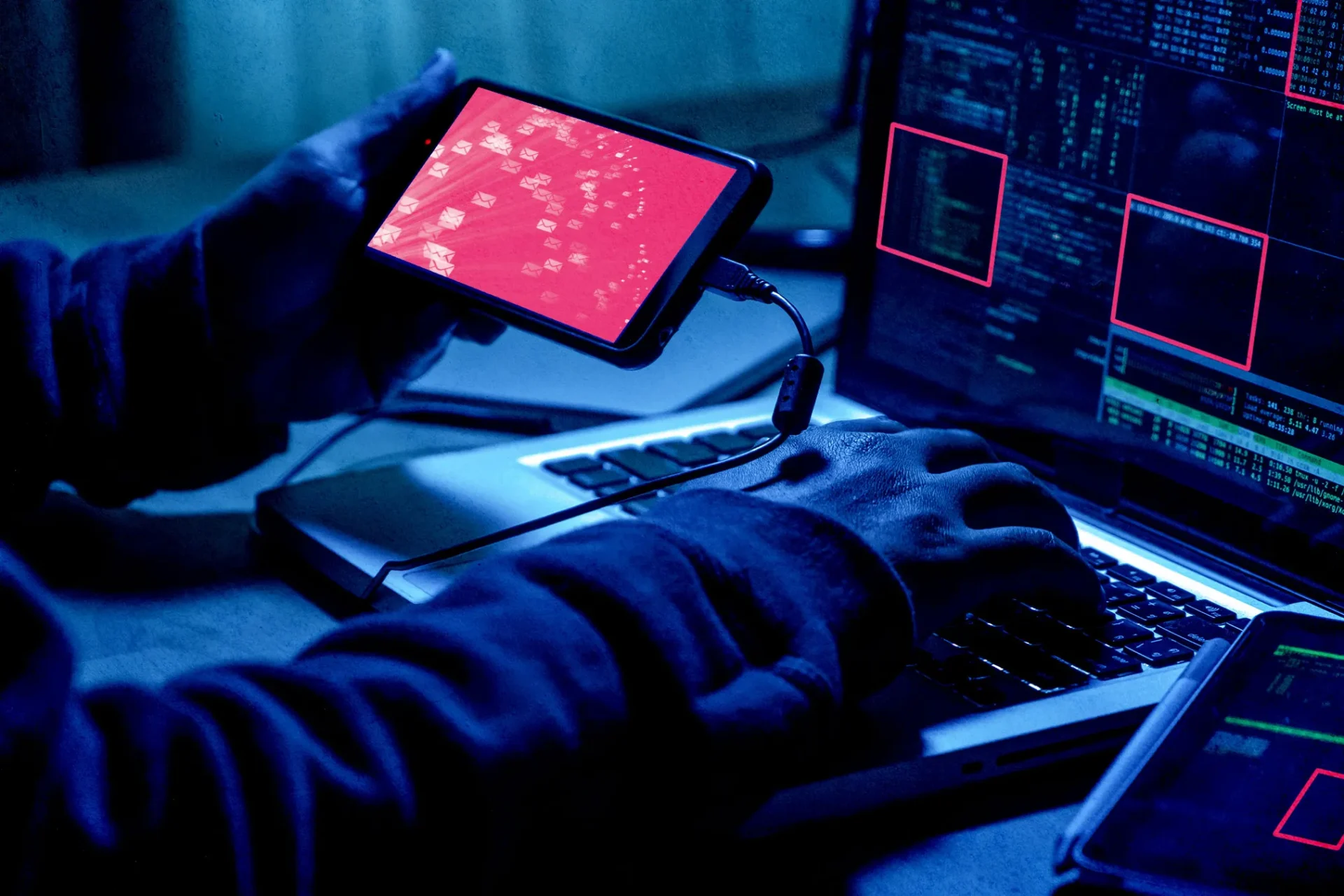
In today’s digital-first world, cybercrime has become one of the fastest-growing threats to governments, businesses, and everyday internet users. From ransomware attacks shutting down hospitals to crypto thefts worth millions, hackers are becoming smarter, faster, and more coordinated than ever. The uncomfortable truth is that cybercrime is no longer a shadowy niche of the internet — it’s a booming global industry.
As innovation accelerates, so do the techniques used by cybercriminals. Every new technology creates new opportunities, and every new digital dependency becomes a potential vulnerability. So the big question remains: can technology stay ahead of hackers, or are we building a digital world too complex to secure?
Here’s what you need to know.
The Rise of Cybercrime: A Perfect Storm of Digital Vulnerabilities
Cybercrime has exploded because the world has never been more connected — or more dependent on digital systems. The more we digitize, the more doors we open.
Several factors are fueling this surge:
1. Remote Work Has Redefined Threat Exposure
The pandemic pushed millions of people online overnight. Homes turned into offices, corporate data moved to personal devices, and security teams lost direct oversight.
This created new entry points for attackers — countless unsecured Wi-Fi networks, outdated software, and vulnerable cloud systems.
2. Cryptocurrency Enabled Trillions in Digital Transfers
Crypto has revolutionized finance, but it has also attracted criminals who exploit unregulated exchanges, anonymous wallets, and poorly secured platforms.
Ransomware groups prefer crypto payments because they’re fast and harder to trace.
3. AI is Supercharging Hackers
AI-powered hacking tools can:
- mimic human writing to craft convincing phishing messages
- scan for system vulnerabilities in seconds
- bypass CAPTCHA
- guess passwords using machine-learning models
- generate deepfake voices for social engineering
The result? Crime at scale — automated, precise, and relentless.
4. Software Everywhere Means Vulnerabilities Everywhere
Cars, TVs, refrigerators, medical devices, and even children’s toys now run on software.
More software equals more bugs — and bugs equal opportunities for hackers.
5. Cybercrime Has Become a Business
Hacking is no longer just a lone wolf activity. It operates like an industry:
- organized groups
- dedicated customer support
- subscription-based malware
- marketplaces for stolen data
- contracts for ransomware attacks
This isn’t chaos — it’s strategy.
The New Threat Landscape: Cybercrime Has Evolved
Gone are the days of simple viruses and annoying pop-ups. Today’s cybercrime is sophisticated, well-funded, and often backed by state actors.
Here are the threats that define our digital era:
1. Ransomware 2.0
Modern ransomware is more brutal:
- It steals data before encrypting it.
- It threatens public leaks.
- It targets hospitals, banks, and critical infrastructure.
Some groups even auction stolen data to the highest bidder.
2. Deepfakes and AI Manipulation
Hackers can now clone voices, generate fake videos, and create synthetic identities to bypass verification systems.
In a world flooded with AI-generated content, trust is becoming a scarce currency.
3. Supply Chain Attacks
Instead of breaking into a big company, hackers now attack the smaller service providers connected to them.
Once inside the supply chain, they gain access to every connected partner.
4. Cloud Vulnerabilities
Cloud services are convenient — but also centralized points of failure.
A breach can expose millions of users instantly.
5. Crypto and Web3 Exploits
Cross-chain bridges, smart contracts, and DeFi protocols are prime targets.
One weak line of code can drain millions from a protocol within minutes.
Can Technology Stay Ahead of Hackers? The Race Is On
Despite growing threats, technology is fighting back — and it’s getting smarter.
Here’s how innovation is pushing the defense forward.
1. AI-Powered Cybersecurity: Fighting Fire With Fire
If hackers use AI, cybersecurity tools can too — and the results are promising.
AI-driven systems can:
- detect unusual behavior in real-time
- shut down suspicious activity automatically
- identify malware strains before they cause damage
- predict attack patterns through machine learning
These tools analyze massive amounts of data faster than any human could — critical in a world where attacks happen in milliseconds.
2. Blockchain as a Security Shield
Blockchain isn’t just about crypto — it’s also a powerful cybersecurity tool.
Its strengths include:
- decentralized data storage
- tamper-proof records
- secured digital identities
- transparent transaction histories
Banks, healthcare systems, and government agencies are exploring blockchain to secure sensitive information and prevent fraud.
3. Zero-Trust Architecture: Trust No One, Verify Everything
The old model of “protect the perimeter” no longer works.
Zero-trust security assumes every user — internal or external — could be a threat.
This means:
- continuous verification
- limited access permissions
- strict identity checks
- encrypted internal communication
It’s a fortress built one door at a time.
4. Quantum-Resistant Cryptography
Quantum computers could break today’s strongest encryption in seconds.
To stay ahead, researchers are developing post-quantum cryptography — algorithms designed to resist quantum attacks.
Major organizations like NIST, Google, and IBM are already preparing for the next era of encryption.
5. Biometric Security and Behavioral Analysis
Passwords are becoming obsolete.
The future lies in:
- facial recognition
- iris scans
- fingerprint authentication
- behavioral patterns like typing speed and mouse movement
Hackers can steal passwords — but replicating human behavior is much harder.
The Human Weak Link: Where Technology Still Struggles
No matter how advanced cybersecurity becomes, one thing remains true:
Humans are the biggest vulnerability.
Over 80% of breaches involve:
- weak passwords
- phishing attacks
- accidental clicks
- poor digital hygiene
- lack of training
Even the best technology can’t fix human error entirely.
This is why cybersecurity education is as crucial as cybersecurity tools.
The Future: A Never-Ending Battle
The battle between hackers and defenders is not one that ends — it evolves.
Hackers innovate.
Security systems respond.
Hackers adapt.
Security systems improve.
And the cycle continues.
But there is hope.
Cybersecurity technology is advancing faster than ever. More companies are investing heavily in digital protection. Governments are creating stricter cyber laws. And individuals are becoming more aware of how to protect themselves.
The goal isn’t to eliminate cybercrime entirely — that’s impossible.
The goal is to stay ahead, minimize damage, and create a digital world where attacks are harder, costlier, and riskier for criminals.
Final Thought: The Price of Innovation Is Vigilance
As the world embraces AI, 5G, blockchain, and smart technologies, the digital threat landscape will only grow more complex. Innovation creates opportunity — both for progress and for exploitation.
But one thing remains clear:
Technology can stay ahead of hackers — if we stay vigilant, stay educated, and stay committed to building stronger, smarter defenses.
Cybercrime isn’t going away.
But with the right tools, the right mindset, and the right innovation, we can ensure the future remains shaped by creators — not criminals.
